Innovation in Local Government Housing
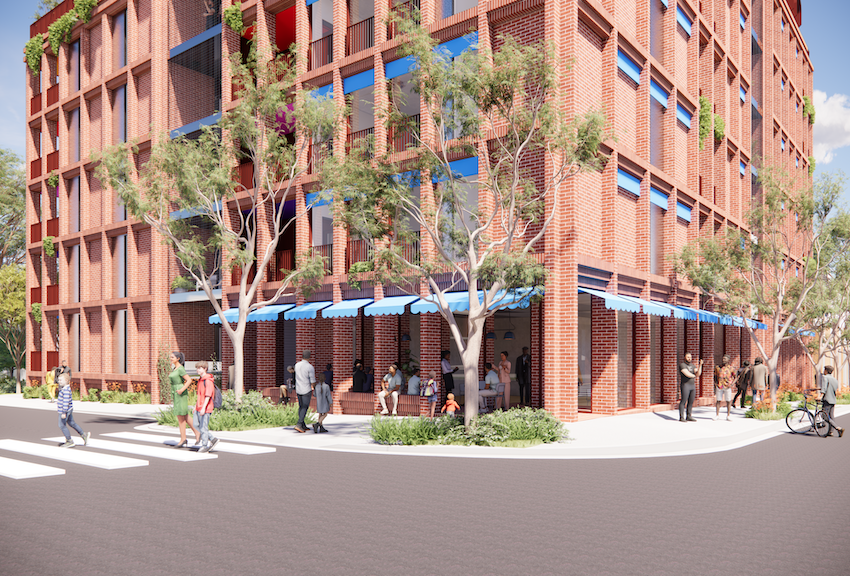
We recently completed this major investigative project, involving extensive research, case study development, design prototyping and business case preparation, to demonstrate approaches and methods for Local (City) Governments to help increase the speed and volume of housing supply.
Agency Design
Webflow template
Agency Design
Webflow template
Agency Design
Webflow template
Agency Design
Webflow template
Agency Design
Webflow template
Agency Design
Webflow template
Agency Design
Webflow template
Agency Design
Webflow template
Agency Design
Webflow template

McP formed and led a project team including three innovative Architectural practices, to prepare prototype concept designs for government-owned sites in various locations across Victoria. Six Degrees, Austin Maynard and BKK Architects also provided 'deep dive' case studies into completed projects by their practices, with insights for the establishment, process and implementation of housing developments.
Full Part A and Part B reports accessible here: https://www.mav.asn.au/what-we-do/policy-advocacy/social-and-affordable-housing#innovation
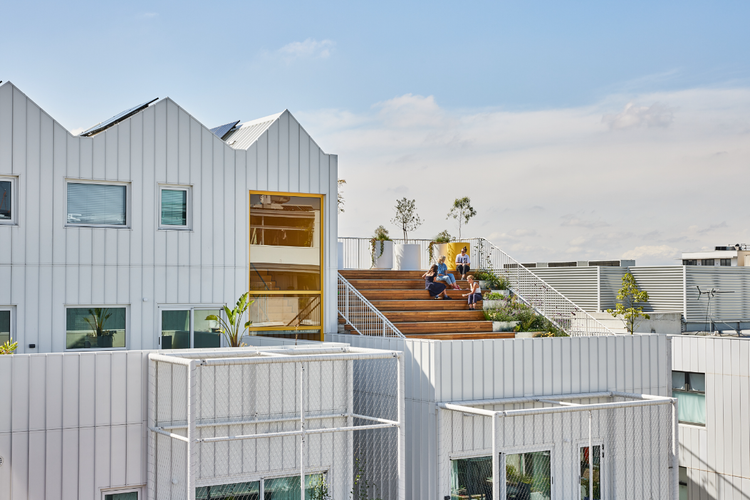
Photo credits: Aerial - Google (top) / ParkLife - Tom Ross, courtesy Austin Maynard Architects (left) / 17 Union Street: courtesy BKK Architects (right)
RMIT University's Post-Carbon Research Centre also participated, researching national and international case studies of Council-led housing initiatives, and innovative methods for sustainable housing production, to inform the concept design work.
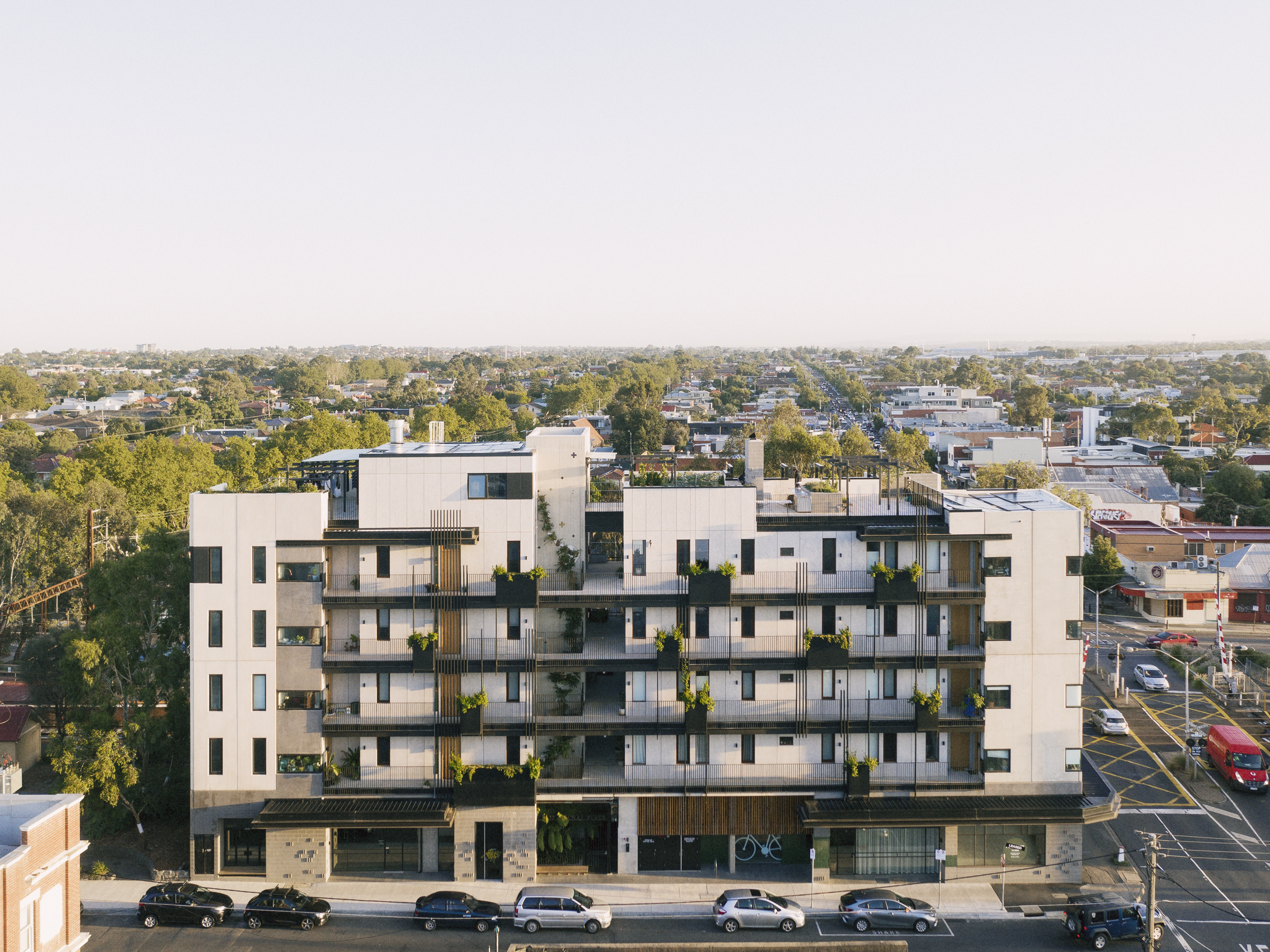
Photo credit: Rory Gardiner, courtesy Six Degrees Architects
The concept designs prepared by the Architects were developed and tested through a series of participatory stakeholder workshops. The plans then underwent cost analysis, as a basis for subsequent feasibility assessment, to analyse and demonstrate the potential for boosting housing development utilising government land assets and other strategic initiatives.